by
by PM Awas Yojana 2026 continues India’s mission to give every eligible family a pucca house of their own. The scheme runs through two arms, PMAY-Urban 2.0 for cities and PMAY-Gramin for villages, offering direct financial help toward construction or purchase. This guide explains eligibility, required documents, the application process, subsidy amounts, and how to check the beneficiary list, so you can apply correctly the first time.
Housing remains one of the biggest expenses an Indian family faces, and PM Awas Yojana 2026 was designed to ease that burden for low and middle income groups. Central assistance is transferred directly into the beneficiary’s bank account once verification is complete, removing middlemen from the process. Understanding each eligibility slab and document requirement in advance saves weeks of back and forth with local housing officials during your application.
Table of Contents
What Is PM Awas Yojana 2026?
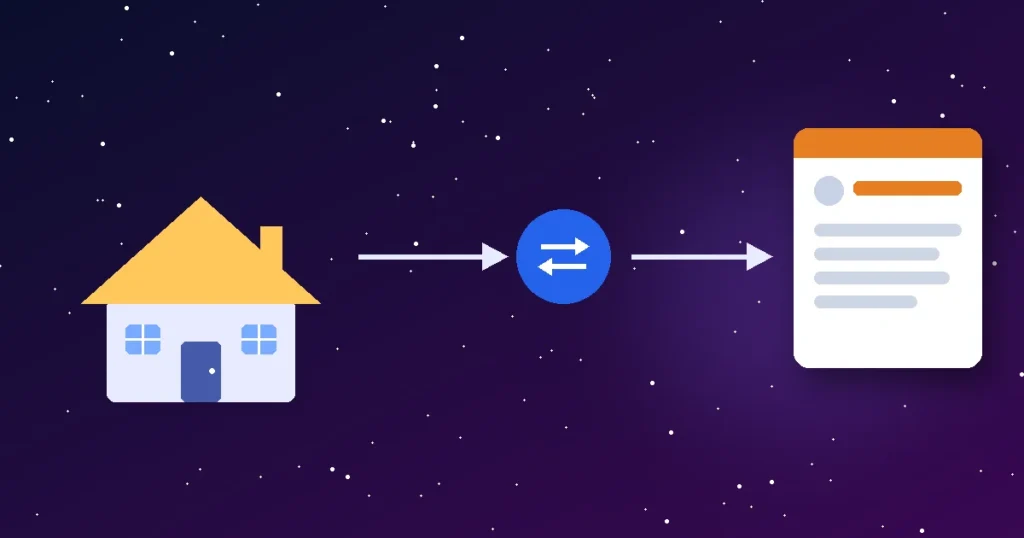
PM Awas Yojana is a central government housing scheme that helps economically weaker families build or buy a home. Under PMAY-Urban 2.0, assistance flows through four verticals: Beneficiary-Led Construction, Affordable Housing in Partnership, In-Situ Slum Redevelopment, and interest subsidy on home loans. PMAY-Gramin separately targets rural households living in kutcha or damaged houses, offering similar financial support through the state rural development department.
PM Awas Yojana 2026 Eligibility Criteria
A family qualifies only if no member owns a pucca house anywhere in India, and each adult earning member counts as a separate household. Annual income sets the category: EWS up to ₹3 lakh, LIG ₹3-6 lakh, MIG-I ₹6-12 lakh, and MIG-II ₹12-18 lakh. Priority goes to women, widows, senior citizens, SC, ST, OBC, minority, and differently-abled applicants.
Documents Required for PM Awas Yojana
Keep these documents ready before you start the PM Awas Yojana 2026 application, since incomplete uploads are the most common reason for rejection.
- Aadhaar card of the applicant and all family members
- Income certificate or salary slips proving the correct category
- Bank passbook with IFSC code for direct benefit transfer
- Address proof such as a ration card or utility bill
- Recent passport-size photograph
- Land or property documents, required only for construction under BLC
How to Apply for PM Awas Yojana 2026 Online
Applying online is straightforward once your documents are ready. Follow these steps carefully on the official PMAY portal to avoid errors that delay approval.
- Visit the official PMAY-Urban portal and choose “Citizen Assessment” from the menu.
- Select your category, either “Slum Dweller” or “Benefit under other three components.”
- Enter your Aadhaar number and verify the details shown on screen.
- Fill in personal, income, and bank account information accurately.
- Upload the required documents in the prescribed format and size.
- Submit the form and save the printout or application reference number.
Rural applicants should instead register through the PMAY-Gramin portal, where the local panchayat or block officer verifies eligibility before the application moves to the state approval stage. Keep your reference number safe, since it is needed to track status, correct errors, or reapply if your first submission gets returned for clarification by the verifying officer.
How to Check the PM Awas Yojana Beneficiary List
After submitting your application, checking your status regularly helps you respond quickly if additional documents are requested. Open the official PMAY-Urban or PMAY-Gramin website, go to the “Beneficiary List” or “Stakeholders” section, and search using your registration number, Aadhaar number, or mobile number. Approved applicants can see their sanctioned amount and construction stage directly on the dashboard.
PM Awas Yojana 2026 Subsidy Amount
Financial assistance depends on the vertical you qualify under, and knowing the exact figure helps you plan the remaining construction budget.
| Vertical | Assistance Amount |
|---|---|
| Beneficiary-Led Construction (BLC) | ₹1.5 lakh per EWS family |
| Affordable Housing in Partnership (AHP) | ₹1.5 lakh per EWS house |
| In-Situ Slum Redevelopment (ISSR) | ₹1 lakh per house |
| PMAY-Gramin | Up to ₹1.3 lakh depending on the region |
PMAY-Urban vs PMAY-Gramin: Which Applies to You?
Choosing the right scheme depends on where you live. City residents without a pucca house apply through PMAY-Urban 2.0, which covers slum redevelopment, individual construction, and partnership housing projects. Rural families living in kutcha or damaged homes apply through PMAY-Gramin instead, jointly managed by the state and central government. Both share the same goal, so confirm your address proof carefully before choosing the correct PM Awas Yojana 2026 application portal.
Frequently Asked Questions
Who is not eligible for PM Awas Yojana 2026?
Any family that already owns a pucca house anywhere in India, or has previously received central housing assistance under an earlier scheme, is excluded from PM Awas Yojana 2026 benefits.
How long does PM Awas Yojana approval take?
Verification and approval usually take a few weeks to a few months, depending on document accuracy, state processing speed, and physical verification by the local housing officer.
Can I apply for PM Awas Yojana without Aadhaar?
No, Aadhaar linking is mandatory for both PMAY-Urban and PMAY-Gramin, since the subsidy is transferred directly through an Aadhaar-seeded bank account.
Final Thoughts
PM Awas Yojana 2026 remains one of the most reliable paths to owning a pucca home, provided you apply with the correct income proof and documents the first time. If you are also exploring other welfare benefits, our guide to government schemes that help families save money and the e-Shram Card registration guide cover additional support you may already qualify for.