
 by
by 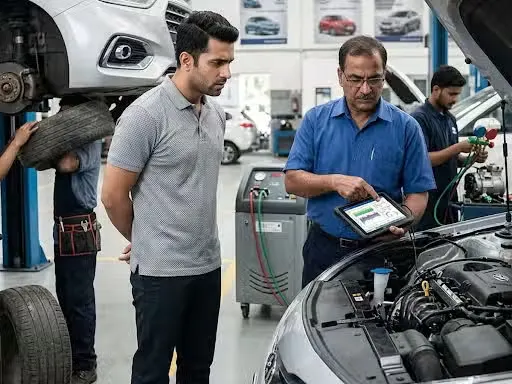
Buying a second-hand car is a smart financial decision. You can save a lot of money compared to buying a new vehicle. But at the same time, it comes with risks—hidden damages, unpaid loans, fake documents, or even legal disputes.
That’s why following a proper second hand car checklist India is very important. With the right steps and tools, you can avoid costly mistakes and make a safe purchase.
Why You Need a Checklist Before Buying a Used Car
Used cars are affordable, but skipping verification can lead to serious problems like:
- Legal ownership issues
- Hidden accident damage
- Pending traffic fines
- Active car loans
A structured checklist ensures that you verify everything before making payment.
Step 1 – Verify RC (Registration Certificate) Details
The RC (Registration Certificate) is the most important document of any vehicle.
You should check:
- Owner’s name
- Registration number
- Engine and chassis number
- Registration validity
You can easily verify these details online using Parivahan or mParivahan.
Step 2 – Check Vehicle Owner Details Online
Before buying, confirm that the seller is the actual owner of the car.
How to check:
- Visit Parivahan
- Enter the vehicle number
- View registered owner details
This helps you avoid fraud and ensures you are dealing with the right person.
Step 3 – Check Pending Challans
Many vehicles have unpaid traffic fines.
You should check:
- Pending challans
- Violation details
- Total fine amount
Make sure all fines are cleared before buying, otherwise you may have to pay them later.
Step 4 – Check Loan / Hypothecation Status
Many cars are purchased using bank loans. This is called hypothecation.
Verify whether:
- The loan is still active
- Hypothecation is removed from RC
- Bank NOC is available
Never buy a car with an active loan unless it is properly closed.
Step 5 – Inspect Insurance Status
Insurance is mandatory for all vehicles.
Check:
- Policy validity
- Type (third-party or comprehensive)
- Claim history
If the insurance is expired, you will need to renew it immediately, which adds extra cost.
Step 6 – Physical Inspection of the Car
Online checks are important, but physical inspection is equally necessary.
Look for:
- Engine condition
- Tyres and brakes
- Body dents or repainting
- Signs of accident damage
- Interior condition
If possible, take a trusted mechanic along with you for a professional opinion.
Step 7 – Check Service History
A car’s service history tells you how well it has been maintained.
Check for:
- Regular servicing records
- Major repairs
- Replacement parts
A well-maintained car usually performs better and lasts longer.
Step 8 – Verify Documents
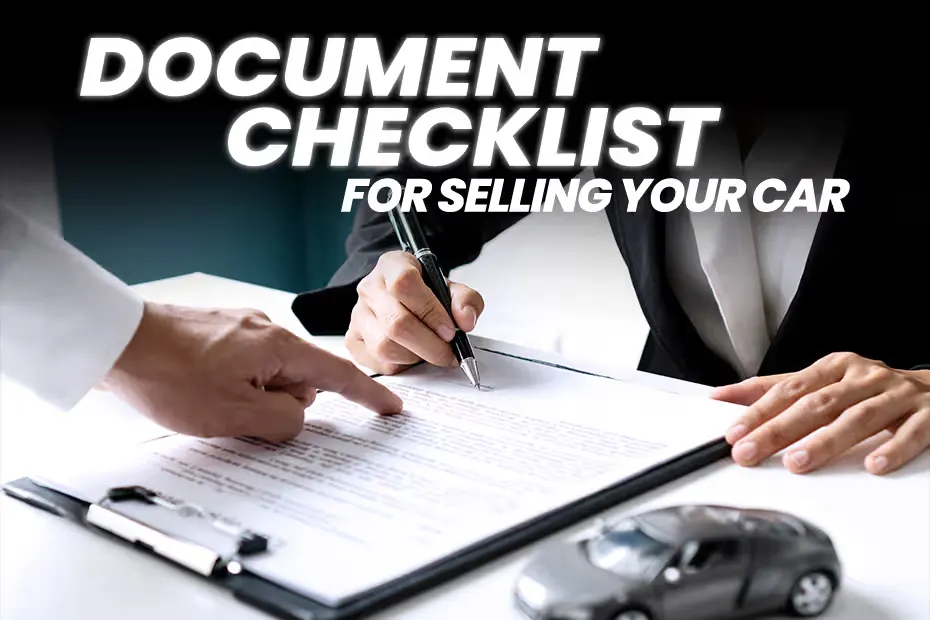
Make sure all documents are original and valid.
Important documents include:
- RC book
- Insurance certificate
- Pollution certificate (PUC)
- Original invoice (if available)
- Loan NOC (if applicable)
Always cross-check details across documents to avoid mismatches.
Step 9 – Test Drive Is a Must
Never skip a test drive.
During the drive, check:
- Engine performance
- Braking system
- Steering control
- Gear shifting
- Unusual noise or vibration
A short drive can reveal many hidden issues.
Step 10 – Ownership Transfer Process
After finalizing the deal, ownership must be legally transferred to your name.
Steps:
- Fill Form 29 and Form 30
- Submit ID proof
- Update RC with new owner details
Delaying this process can lead to legal problems, so complete it as soon as possible.
Bonus Tips for Buyers
Here are some extra tips to stay safe:
- Compare price with market value
- Avoid deals that look too cheap
- Always meet the seller in person
- Double-check all documents
- Prefer verified or trusted sellers
Visit the Official Website
Final Thoughts
Buying a used car in India can be a great decision—but only if you follow the right process.
By using official tools like Parivahan and mParivahan, and following this step-by-step checklist, you can avoid fraud, hidden issues, and legal complications.
A smart buyer doesn’t rush. Take your time, verify everything, and make a confident purchase.


